
01
Mower Diagnostic
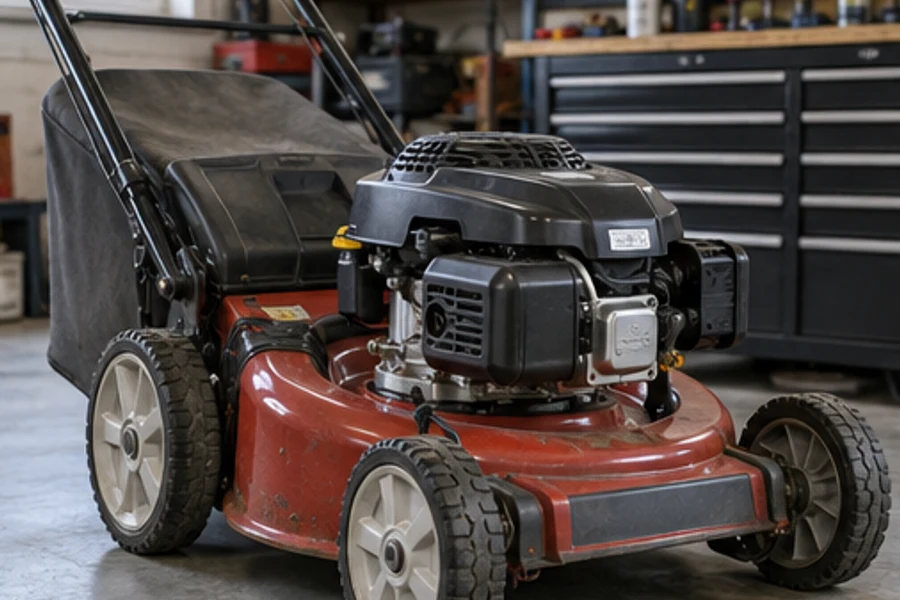
Review mower type, model and starting or running symptoms to define the diagnostic and repair discussion.
Explore serviceMowers, generators and outdoor power equipment have their own starting habits. Bring the machine details and the symptom; start with a diagnostic conversation.
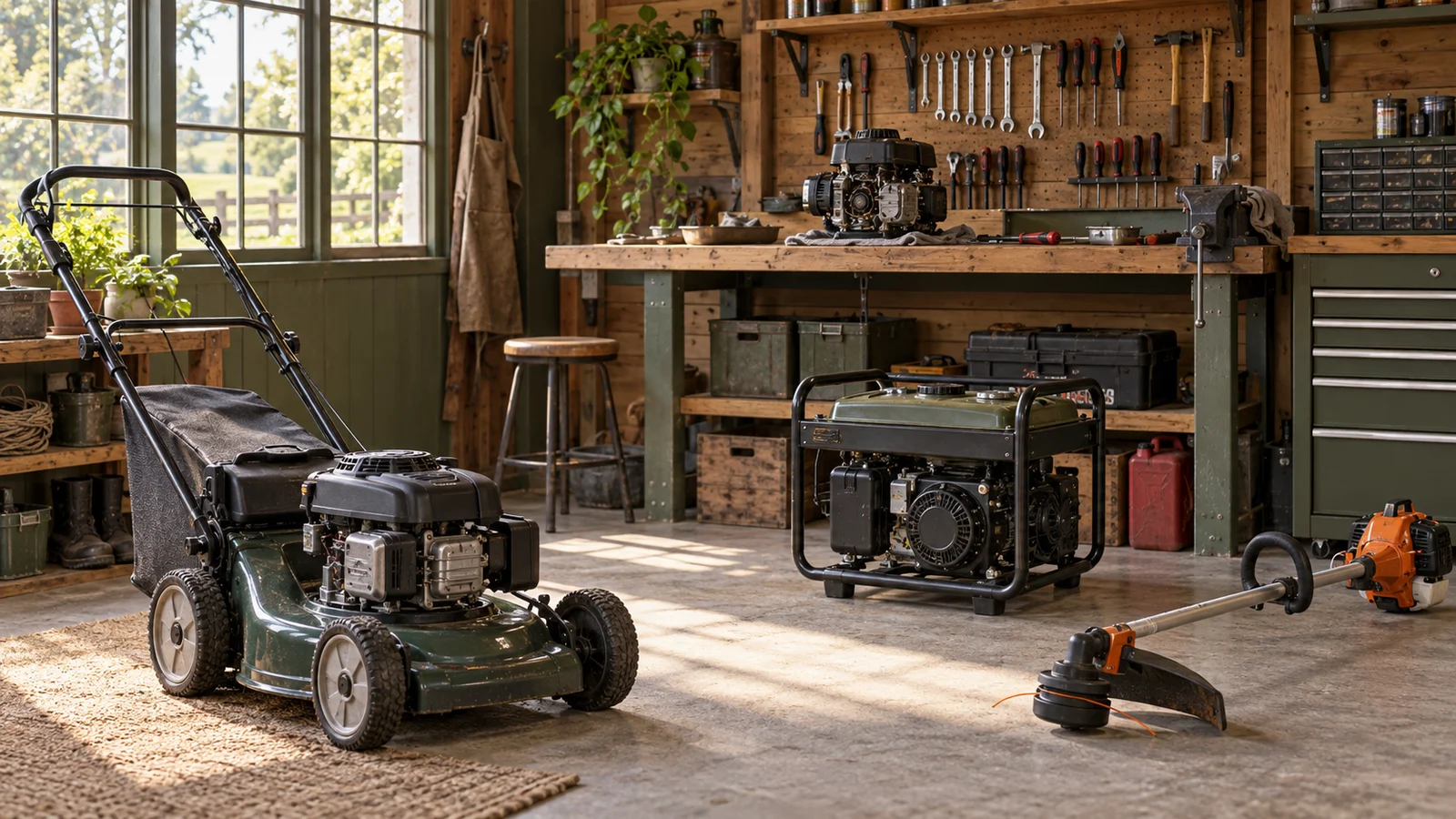
Choose the concern that fits. The assessment and final scope are confirmed for your request.
Review mower type, model and starting or running symptoms to define the diagnostic and repair discussion.
Explore service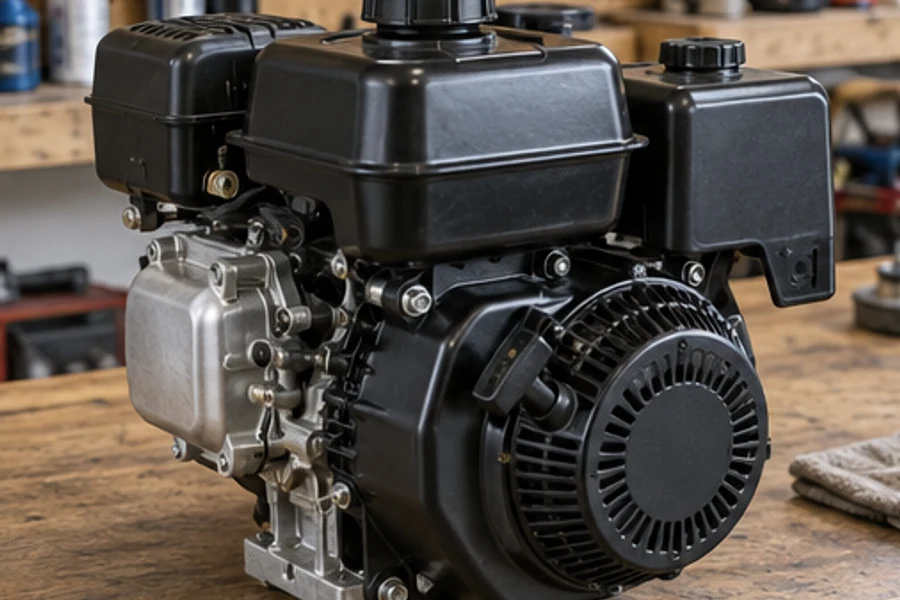
Discuss engine operation, fuel history and equipment use before choosing the appropriate assessment.
Explore service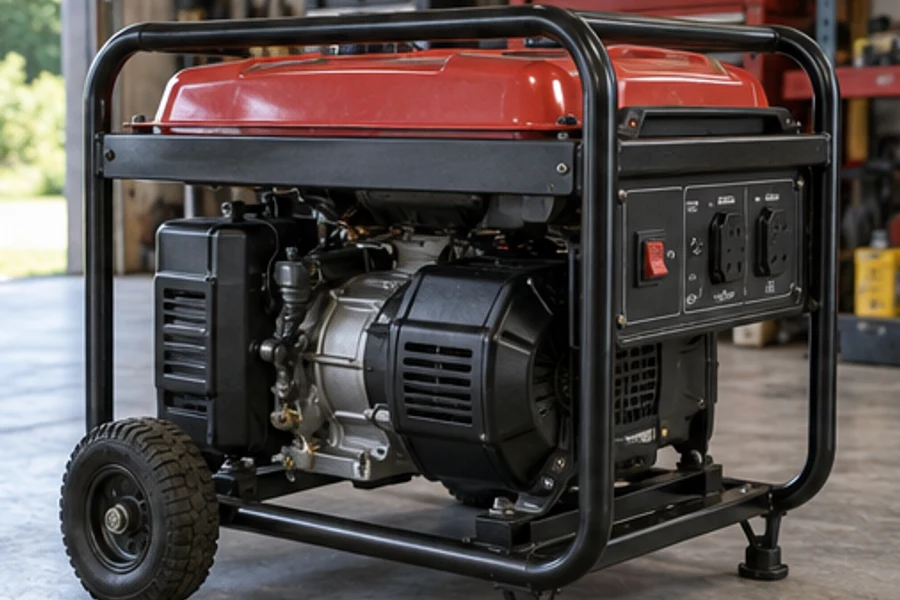
Review generator model, operating symptoms and maintenance history to determine the service request.
Explore service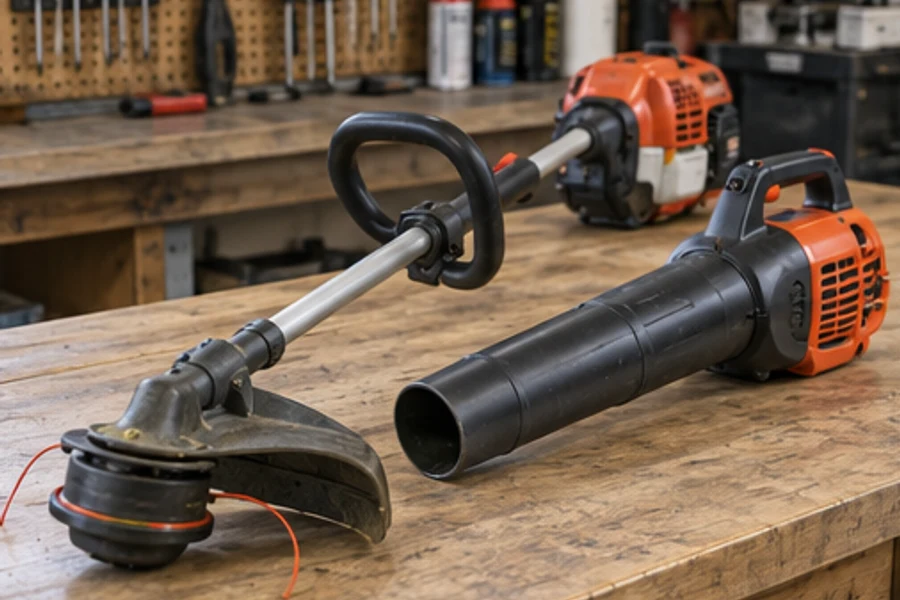
Discuss handheld equipment type, starting behavior and running concerns to plan a suitable assessment.
Explore service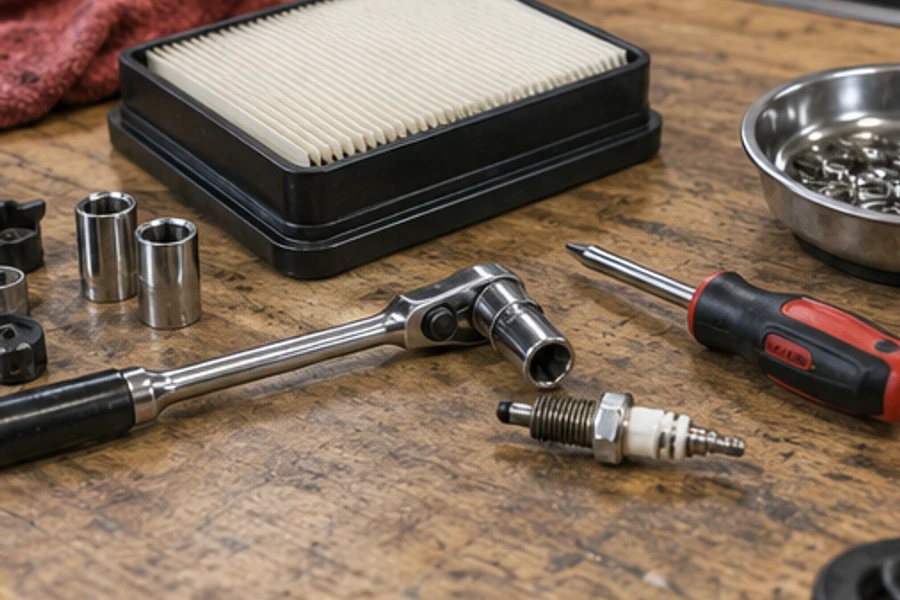
Review storage, use and machine requirements to plan maintenance for the next working season.
Explore service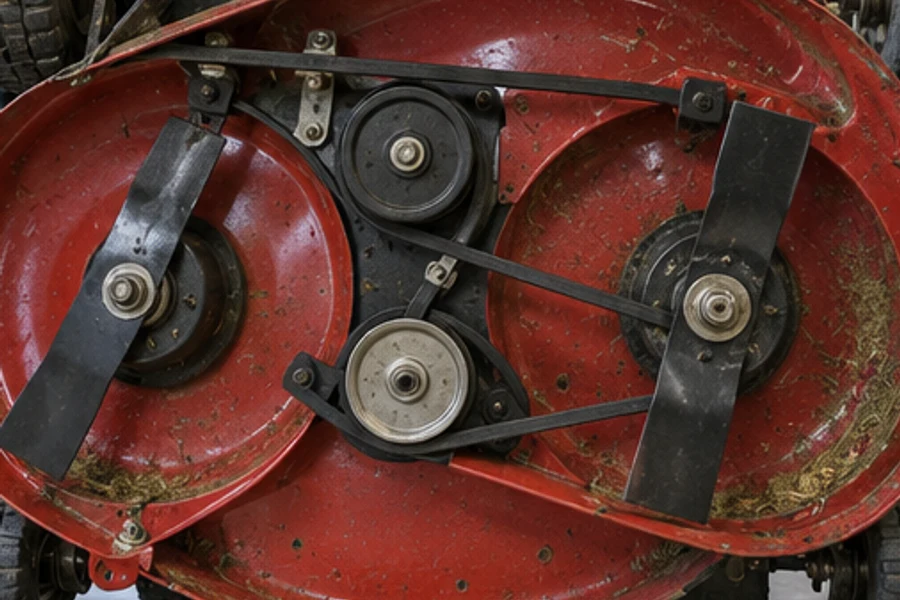
Describe cutting quality, belt or drive concerns and the machine details before planning the assessment.
Explore service
Mowers, generators and outdoor power equipment have their own starting habits. Bring the machine details and the symptom; start with a diagnostic conversation.
Machine type and model, Fuel and storage history, Starting or running symptoms help frame the conversation. A useful assessment starts with the actual conditions, rather than a one-size-fits-all recommendation.
Find your starting point ↗Start with machine type and model and describe what changed.
Discuss service suitability, access and the assessment process before confirming a date.
Use the observations to understand the scope, options and estimate process.
Choose the next step once the request and any project requirements have been reviewed.
Model, fuel type, storage and recent use can all matter. Discuss what the machine does now and what happened before the problem began.
Gather the information you already have. Share photos or records when they help describe the concern.
Describe what changed and when. Recent work or changes in use can help frame the request.
Discuss access and any limits on the assessment. Confirm what the visit will cover before the appointment.
Explore the equipment and settings behind the services.
1 / 3The conversation helped us understand what information mattered before booking.
It was useful to talk through the scope and the choices for the next step.
A clear explanation made the process easier to follow.
Share machine type and model, fuel and storage history, starting or running symptoms. The business can then confirm the appropriate assessment and any further information needed.
The scope depends on the equipment, property or vehicle and the findings of the assessment. Ask about visit charges and the estimate process before confirming an appointment.
Share your preferred timing. The business will confirm service suitability, appointment availability and access requirements directly.
Describe any new symptoms or changes when you contact the business. A team member will review whether the service request or assessment needs to change.
Benchwood Small Engine reviews requests in Your Service Area. Share the address or location so coverage, access and appointment suitability can be confirmed.
Service area detailsConfirm your location with the team.
Bring the details. Ask about the assessment. Choose the next step when the request has been reviewed.
Machine type and model. Fuel and storage history. Starting or running symptoms. Share the details and discuss the appropriate visit.
Request a visitWhat would you like help with?
Preview only · no request is sent1 of 3