Tree Removal
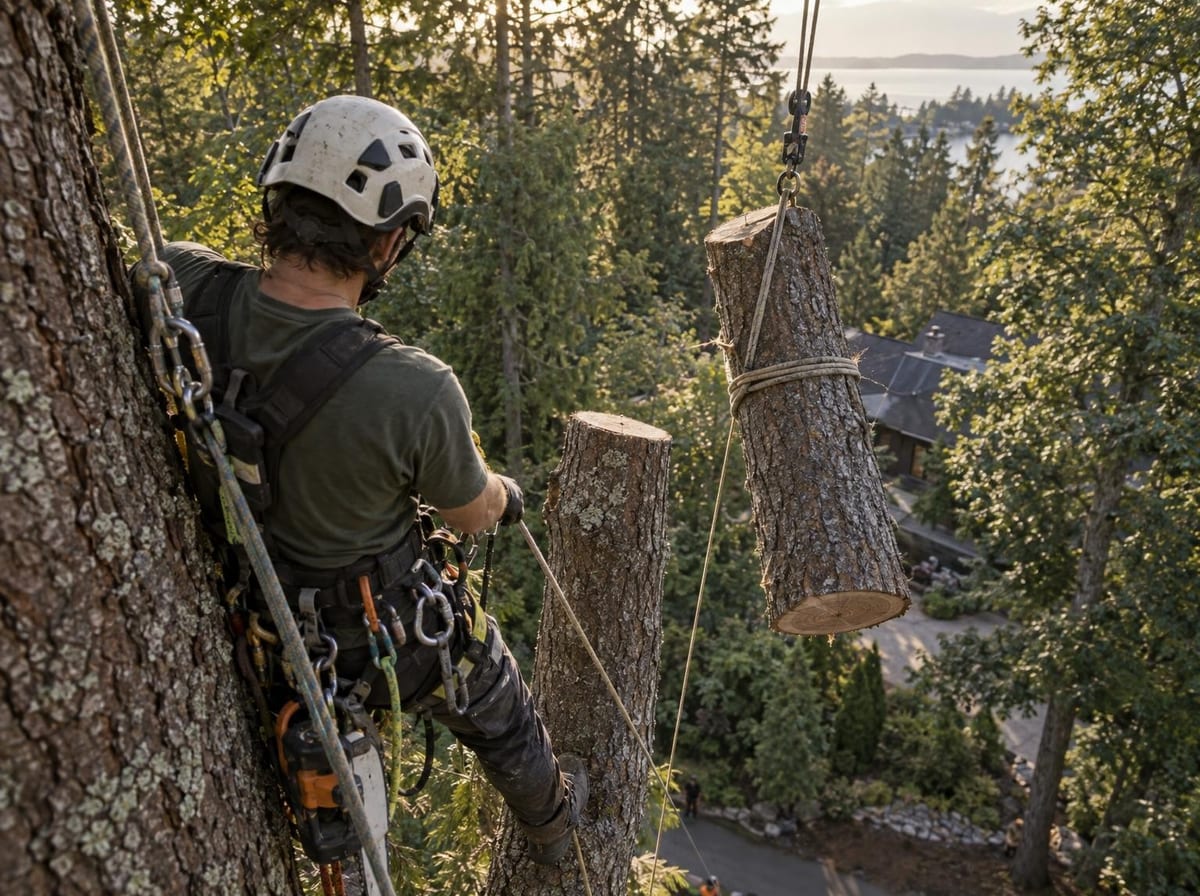
When a tree is being considered for removal, the crew reviews lean, decay, targets underneath, and the rigging or equipment access the site allows.
Request an assessment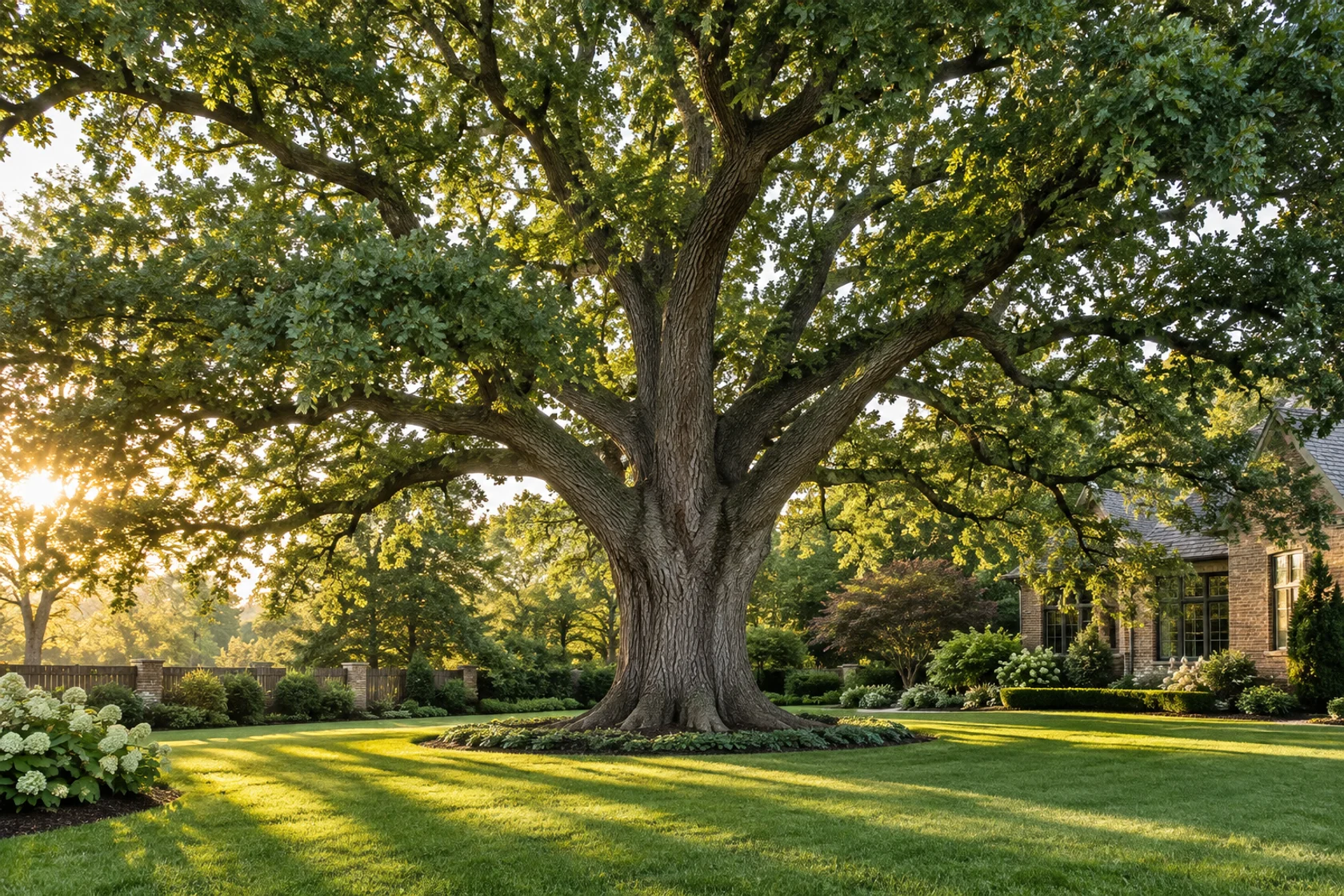
Tell Stonepine Tree Care what you have noticed. From a changing canopy to a storm-damaged limb, the first step is an assessment of the tree, the surroundings and the choices for your property.
Most calls start with one detail somebody noticed from the driveway. Any of these is a reasonable reason to ask for an assessment.
Each service starts from the same assessment. What the tree needs, what the site allows, and what it takes to protect everything underneath it.
When a tree is being considered for removal, the crew reviews lean, decay, targets underneath, and the rigging or equipment access the site allows.
Request an assessment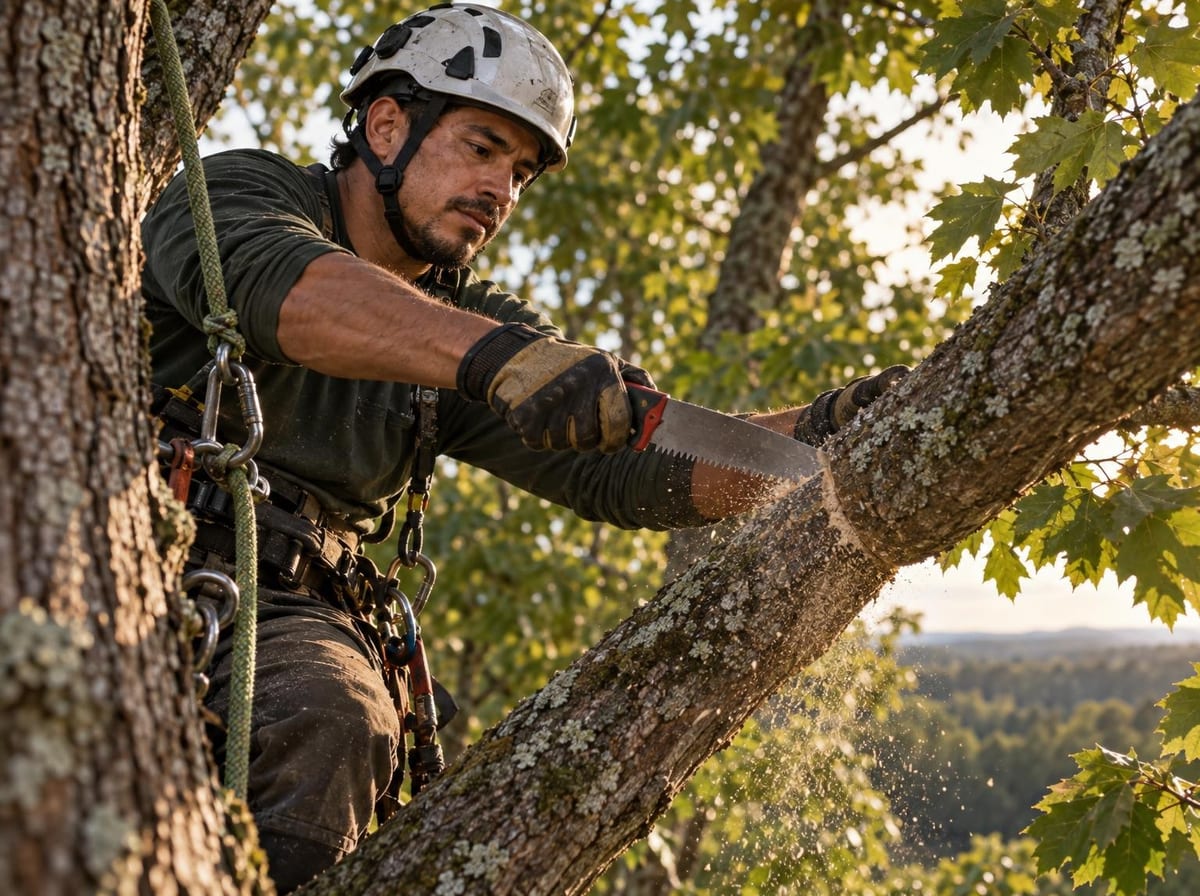
Clearance over a roof or drive, deadwood removal, and reduction cuts that keep the tree's natural shape rather than topping it.
Request an assessment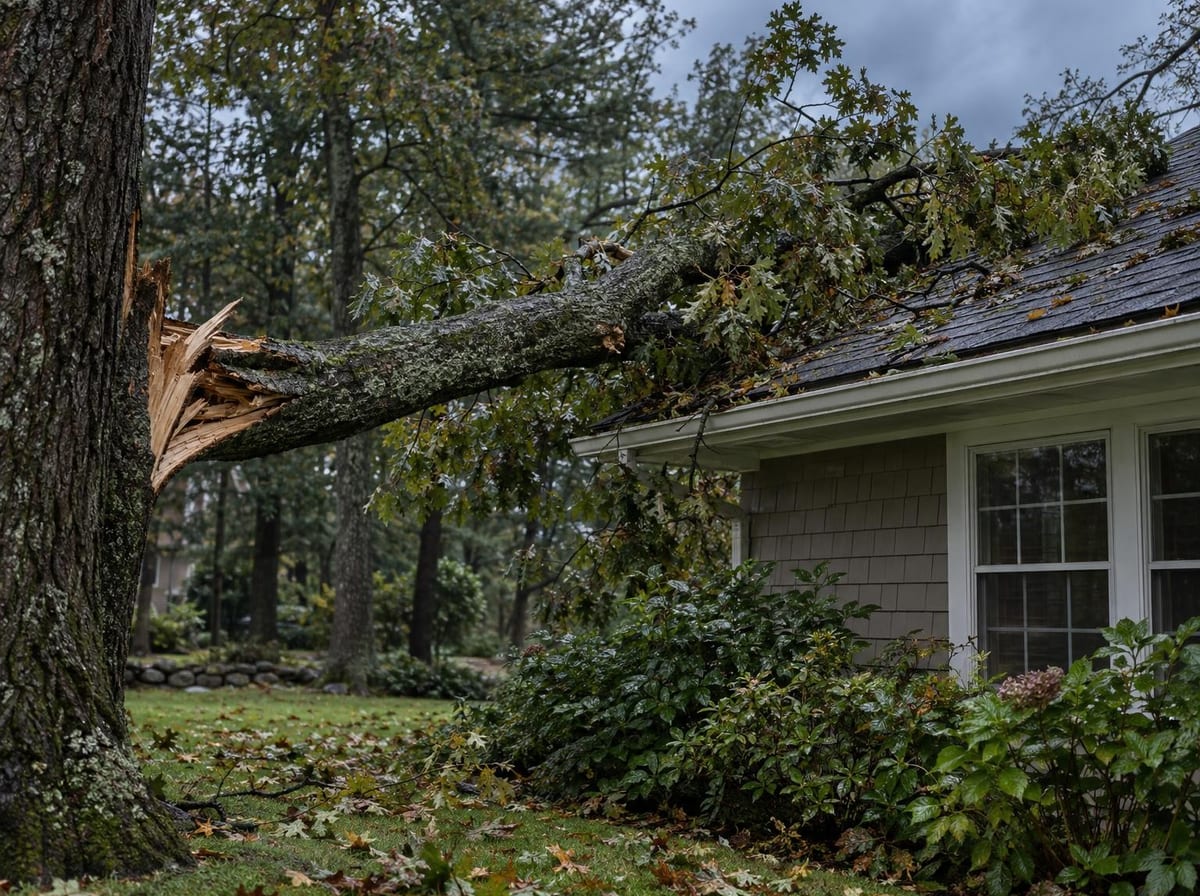
For limbs that are hung up, split, or resting on a structure, describe what you can see from the ground and the business will explain how it triages the request.
Call about storm damage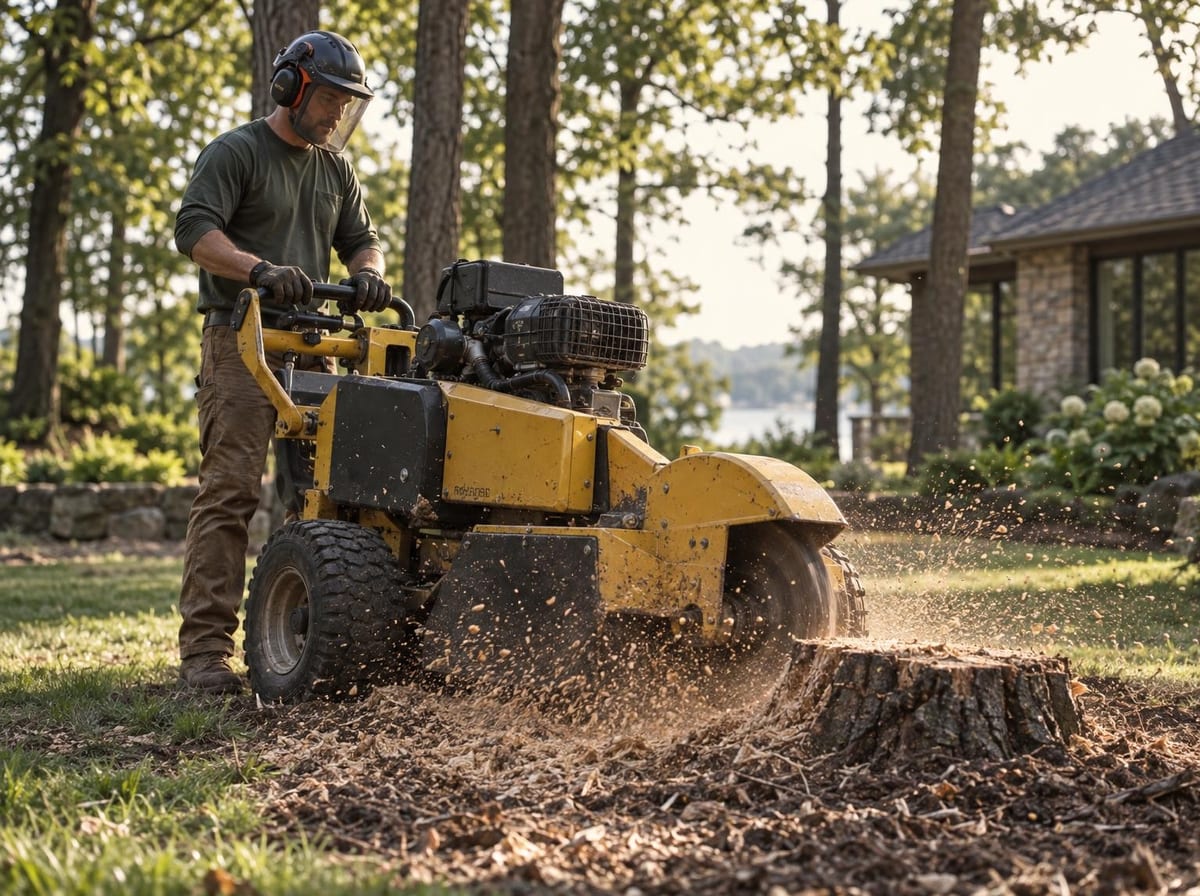
Grinding depth, chip volume, and buried utilities are confirmed before the machine arrives, along with what the lawn will look like afterwards.
Request an assessment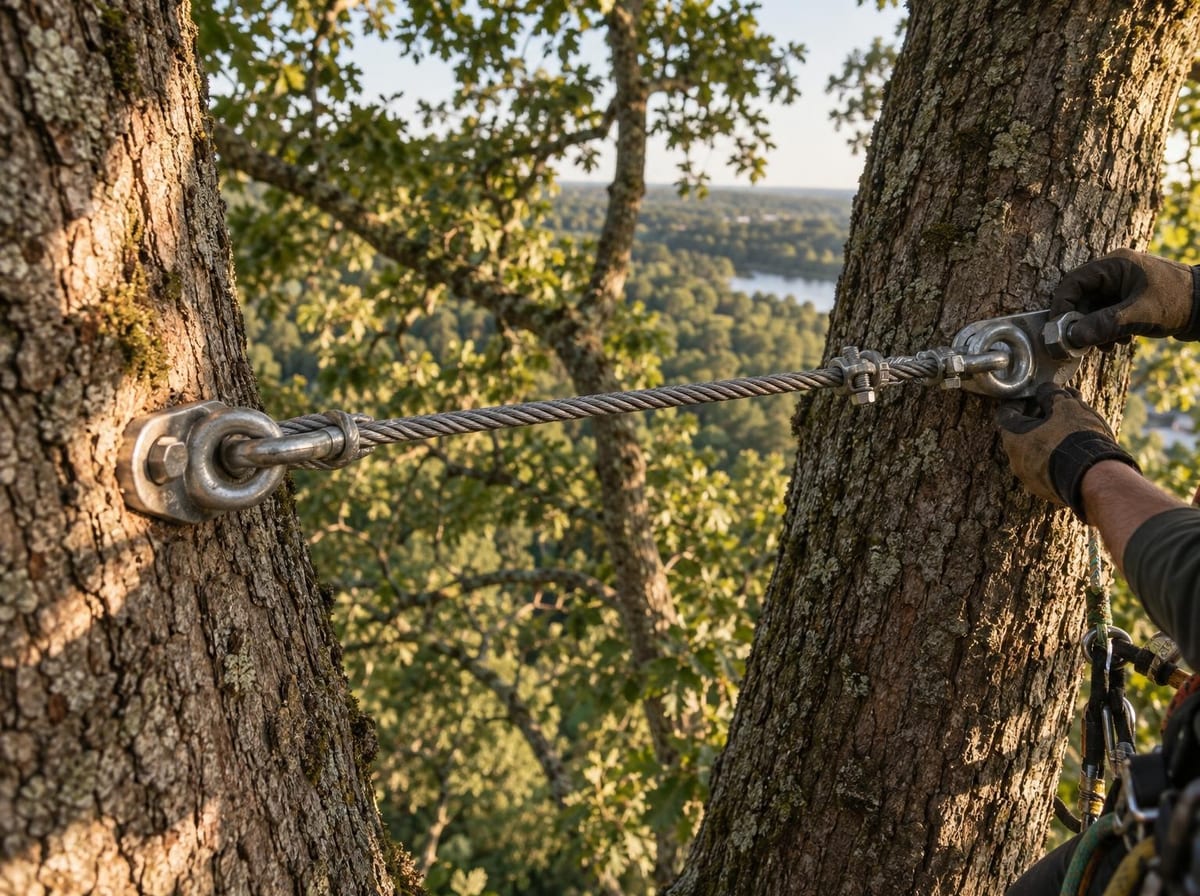
Where a split union or heavy leader is the concern, support hardware is one option an assessment can discuss alongside pruning or removal.
Request an assessment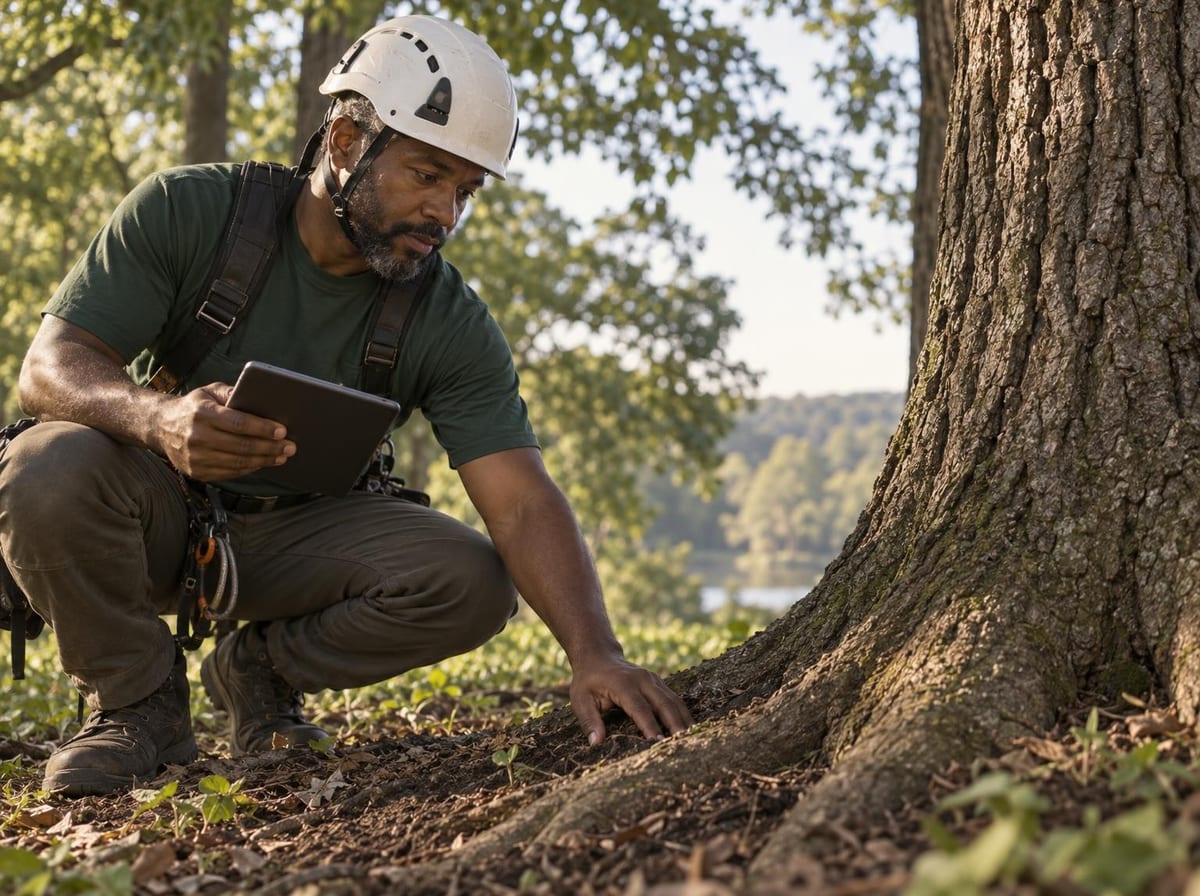
Thin canopies, root-zone problems, and new planting decisions start with a look at the soil, the site, and how the tree has been growing.
Request an assessmentA tree near a house is a site problem as much as a tree problem. Where the crew can set up, what is under the drop zone, which way the lean pulls, and whether the ground will carry the equipment all change the work.
That is why Stonepine asks about access, structures, and what you have noticed before talking about scope or price.

Nothing is committed until the scope is written down and you have agreed to it.
A photo from the ground and a sentence about the tree is enough to start.
Crown, trunk, root flare, access, and what sits under the work area.
Removal, pruning, support hardware, or monitoring, with the trade-offs of each.
Work is scheduled only once the written scope and its pricing are agreed.
If a request involves a structure, a utility line, a property line, or a tree that is already failing, Stonepine will say what it needs to see before it can describe the work.
What a scheduled visit looks like once the scope is agreed.
Drop zone marked, beds and hardscape protected, and the crew walks the plan before the first cut.
Rigging and cuts follow the plan. Anything found mid-job that changes the scope is raised with you first.
Brush chipped, wood handled as agreed, the site raked, and a final walk-through of what was done.
Open the viewer to look at recent canopy work, storm clearing, and finished sites.
Explore the project gallery
Notes from recent removals, pruning, and storm calls. Every job starts with an assessment and a confirmed scope.
They walked me through why the maple could be reduced instead of removed. The crew showed up when they said they would, and the yard was cleaner when they left than when they arrived.
A limb came down on the garage during the storm. They had someone out that afternoon, made it safe, and came back for the full removal the next week.
We manage twelve properties and needed one company for pruning and stump work. Scope and price were confirmed in writing before every visit.
If your question is not here, ask it in the request. It is easier to answer before a crew is scheduled.
Contact Stonepine Tree Care to confirm that your property is within the configured Your Service Area service area before requesting an assessment.
An appointment starts a conversation. Work, price and timing are confirmed for your property.
Share tree location, the changes you have noticed, site access and what is underneath the canopy.
Walk through the conditions, access and questions that shape the scope.
Review the proposal, preparation and scheduling with the business.
Ask about the findings, project documents and any follow-up steps.
Use the booking tool below to request time with Stonepine Tree Care.
Stonepine will confirm whether the request is in its service area and explain the available appointment and service options.